The Reality of the Detour
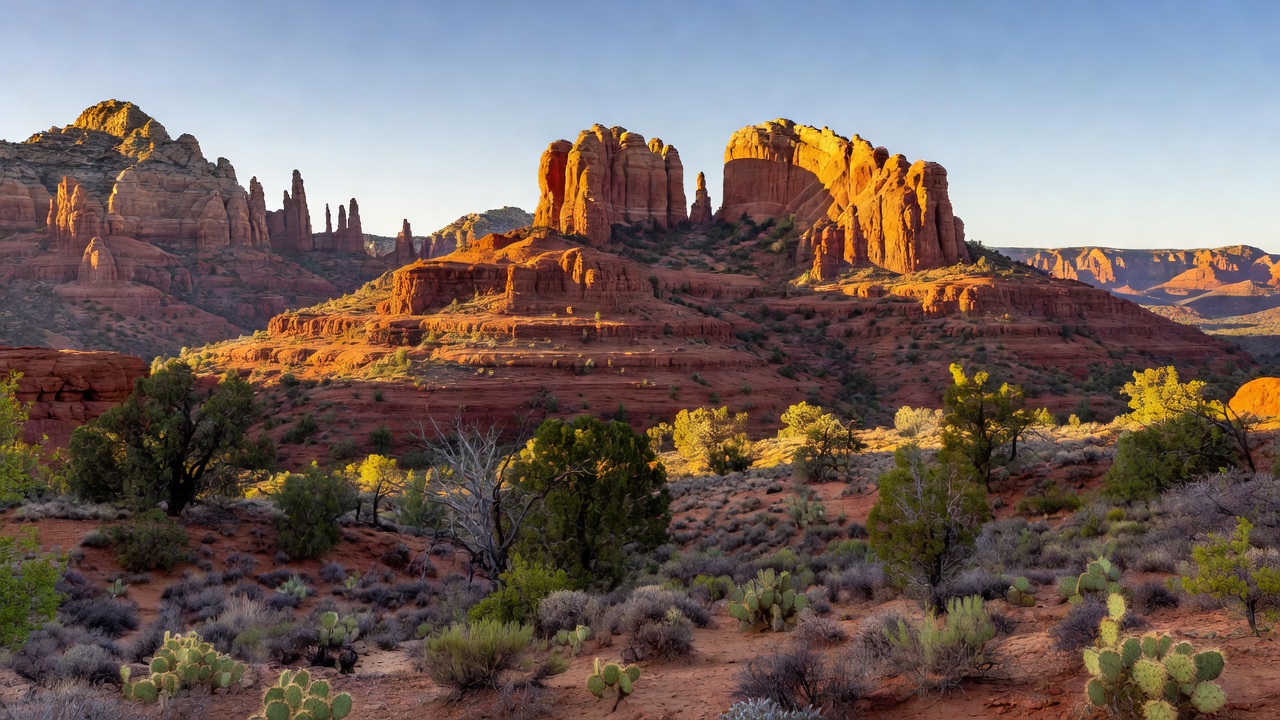
Sedona is effectively a mandatory detour for anyone road-tripping between Phoenix and the Grand Canyon. Highway 17 bypasses the town, requiring drivers to take Highway 179 (the Red Rock Scenic Byway) into the heart of the sandstone formations. The drive itself is stunning, gradually revealing massive monoliths of Supai sandstone.
However, what is heavily marketed as a serene, spiritual retreat is in reality one of the busiest tourist corridors in the American Southwest. The infrastructure of Sedona struggles under the weight of its own popularity. Traffic on a weekend afternoon can easily turn a scenic 15-minute drive across town into a frustrating hour-long crawl.
Understanding the Vortex Sites
There are four main vortex sites widely recognized in the area: Airport Mesa, Bell Rock, Boynton Canyon, and Cathedral Rock. Adherents believe these sites exude masculine (upflow) or feminine (inflow) energy.
Whether you subscribe to New Age beliefs or are strictly a geology enthusiast, these specific locations happen to coincide with some of the most striking viewpoints and satisfying hikes in the region. The Cathedral Rock trail, for instance, requires a steep, somewhat technical scramble up a natural slickrock staircase, rewarding hikers with a breathtaking saddle view between two massive sandstone pillars. If you feel energized at the top, it might be the vortex, or it might just be the adrenaline and the view.
The Friction Points
The primary barrier to enjoying Sedona is parking. Trailhead parking lots at the major vortex sites are exceptionally small—often accommodating fewer than 30 vehicles. By 7:00 AM, these lots are routinely full. The city has implemented a shuttle service (the Sedona Shuttle) to mitigate this, which operates from large park-and-ride lots and drops hikers at the most popular trailheads. Using the shuttle is highly recommended, though it requires planning your day around their schedule rather than spontaneous exploration.
The Good
- World-class geological formations
- Extensive, well-marked trail system
- Incredible photography opportunities at sunrise/sunset
- Excellent dining and resort infrastructure
The Bad
- Severe traffic congestion during peak hours
- Extremely limited trailhead parking
- High costs for accommodation and dining
- Summer temperatures easily exceed 100°F (38°C)
Practical Information
If you are planning to make the detour, here is what you need to know about access and costs.
| Best Time to Visit | March-May or September-November (avoid peak summer heat) |
|---|---|
| Pass Required | Red Rock Pass (or America the Beautiful Interagency Pass) for most parking |
| Typical Detour Time | Minimum 4 hours; ideal stay is 2 days |
| Accessibility | Airport Mesa overlook is easily accessible; Cathedral Rock requires strenuous scrambling. |
The Verdict: Worth It?
Yes, but with significant caveats regarding expectations. If you detour to Sedona expecting a quiet, solitary spiritual awakening on the red rocks at noon on a Saturday, you will be sorely disappointed. You will instead find long lines of traffic, crowded overlooks, and perhaps a drum circle competing with the sound of tour helicopters.
However, if you accept Sedona as a bustling hub of outdoor recreation, plan to start your hikes at dawn, utilize the public shuttle system, and appreciate the landscape for its sheer geological scale, it remains one of the most visually spectacular detours in the United States. The rocks are undeniably majestic; just bring patience along with your hiking boots.